Archive for the ‘Trusts’ Category

For End-of-Life Care, Many Must Choose Between Nursing Home and Hospice

Tuesday, January 15th, 2013

According to a recent study released by the University of California, San Francisco, close to one-third of elderly people needing end-of-life care enter a nursing home. The issue? Nursing homes are not always the best environment for end-of-life care. A nursing home is equipped to oversee many basic elements of end-of-life care, including IV hydration and monitoring vital signs, but staff may not be adequately responsive to issues such as pain management, palliative care and support for bereaved family members.

The study used data from 1994 through 2007 from the National Health and Retirement Study. Researchers examined more than 5,000 cases of people who lived independently. Some 30 percent of individuals older than 85 eventually used their Medicaid skilled-nursing facility (S.N.F) benefit within the final six months of their life.

Care options are limited for those with tight budgets. While some end-of-life nursing home residents can receive hospice care in a nursing home, Medicare seldom reimburses for the room and board provided by the facility as well as hospice care. Residents must choose – and nursing home room and board can add up to hundreds of dollars per day.

An individual can choose to have home hospice care and use those Medicaid benefits, but if there are any “medically complex” issues, home hospice may not cover those expenses. Additionally, home hospice assumes there are family members and a home where care can be given. An individual who needs 24-hour care may have to choose between skilled care and hospice care. But for many, the need of 24-hour care outweighs other options. Complicating matters further is the way Medicare restricts coverage: if an individual is hospitalized for a diagnosis unrelated to the hospice diagnosis, he or she can often get nursing home and hospice coverage.

For more information, visit www.elderlawnewyork.com.

Elder Law Attorney Bernard A. Krooks to Speak at Heckerling Institute

Monday, January 7th, 2013

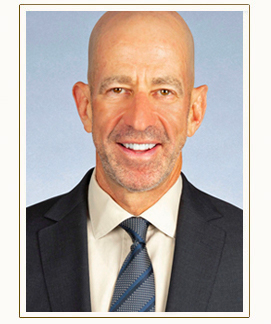
White Plains, New York (January 10, 2013) - Bernard A. Krooks, Esq., a founding partner of Littman Krooks LLP, will be a guest speaker at the 47th Heckerling Institute on Estate Planning on January 14, 2013, at the Orlando World Center Marriott Resort and Convention Center, in Orlando, Florida.

Mr. Krooks will be speaking about the “graying” of Baby Boomers and their need for elder law services. Mr. Krooks will also discuss “Later Life Law” and how elder care attorneys can assist their clients with Medicaid options as well as other areas of elder care planning including retirement accounts, long-term care insurance and tax considerations and the use of trusts in elder law and special needs planning.

The Heckerling Institute on Estate Planning is known as the premiere U.S. conference for estate planning professionals, including attorneys, accountants, trust officers, insurance advisors and wealth management professionals. The program offers lectures and special sessions with comprehensive coverage of estate planning techniques and strategies, designed to allow attendees to customize their educational experience.

Mr. Krooks has been included among The Best Lawyers in America® for each of the last six years. He has been selected as a “New York Super Lawyer” since 2006. Krooks has received his AEP accreditation from the National Association of Estate Planners & Councils. He is a member of the Real Property, Probate & Trust Law Section and Tax Section of the American Bar Association. He is a sought-after expert on estate planning and elder law matters and has been quoted in leading publications such as The Wall Street Journal, The New York Times and Forbes, among others.

About Littman Krooks

Littman Krooks LLP provides sophisticated legal advice and the high level of expertise ordinarily associated with large law firms along with the personal attention and responsiveness of smaller firms. These ingredients, which are the cornerstone of effective representation and are necessary to a successful lawyer/client relationship, have become the foundation of the firm’s success.

Littman Krooks LLP offers legal services in several areas of law, including elder law, estate planning, special needs planning, special education advocacy, and corporate and securities. Their offices are located at 399 Knollwood Road, White Plains, New York; 655 Third Avenue, New York, New York; and 300 Westage Business Center Drive, Fishkill, New York. Visit the firm’s website at http://www.elderlawnewyork.com.

Impending Changes Would Make Estate and Gift Taxes Apply to Many More Americans

Wednesday, December 26th, 2012

The rules governing taxes on gifts and estates are set for major changes at the end of the year unless Congress steps in.

The taxes, which currently concern mainly the very wealthy, will soon ensnare far more people if scheduled reductions in exemptions are allowed to go through. The exemption level for each tax is currently $5.12 million and is set to plunge to $1 million.

The lifetime exemption on gift taxes is also scheduled to make an identical drop.

The impending changes have prompted a frenzy of activity among wealthy Americans eager to make gifts and create trusts under current law, filling the calendars of estate planning attorneys and financial planners nationwide.

The estate tax rate is also scheduled to increase from a current top rate of 35 percent to a new top rate of 55 percent.

According to Congress’ Joint Committee on Taxation, the change in estate tax exemptions would make approximately 55,000 estates subject to the tax next year, compared to fewer than 4,000 estates under current law.

President Obama’s budget proposal of February 2012 called for an estate tax exemption level of $3.5 million and a top rate of 45 percent. It did not contain a recommendation for gifting exclusions.

Estate and gift taxes are not the only ones scheduled to change. The tax exemption for generation-skipping transfers and trusts would likewise drop from its current $5 million to $1 million under current law. In addition, trusts of this type currently can shelter assets from taxation for an unlimited number of generations, but President Obama has proposed limiting the effect to 90 years.

Most experts predict that Congress will not resolve the matter before the end of the calendar year, but any compromise reached in 2013 could be retroactively applied to January 1.

For more information, visit www.elderlawnewyork.com.

Planning to Retire Soon? Create a Retirement Checklist

Monday, July 16th, 2012

If you are considering retiring within the next five years, now is the time to create a retirement plan.  Many seniors say they wish they had planned more carefully for retirement.  There are several things you can do now to make sure your legal and financial affairs are in order when you retire.

Define Your Financial Goals

Naturally, one of the most important considerations in planning for retirement is safeguarding your financial security.  That means defining what you expect your lifestyle to be during retirement, and how your financial goals will be met.  You will want to consider factors such as how you will allocate money from your savings to supplement your retirement income, the possibility of rising health care expenses, and the effect that inflation may have on your purchasing power.

Your retirement plan will need to include a budget and an asset allocation strategy, and you will need to consider how to balance different sources of income and benefits, including Social Security, Medicare, and your own assets.  If you are employed, one thing you can do to maximize your savings is to invest as much as you can in your 401(k) before you retire.  Your employer can be a valuable source of information on how best to make use of your 401(k), and what benefits you will receive in retirement.  If you are married, then you and your spouse should create a joint retirement plan.

Create an Estate Plan

If you do not already have an estate plan, now is the time to create one.  Before retirement, you will want to be sure that you have taken the necessary steps to ensure that your assets will be distributed according to your wishes, through the execution of a will, and the establishment of any trusts that would benefit you and your family.  It is also important to establish a durable power of attorney, designating a person to make decisions for you in the event you become incapacitated.  Through a living will, you can issue specific instructions for what is to be done in certain medical situations.  An estate planning attorney can help you create a holistic plan for the management of your assets.

Retirement is something to look forward to, and something to plan for carefully.

To learn more about our elder law services, visit www.elderlawnewyork.com.

It’s Time to Protect Your Family and Your Future

Friday, April 20th, 2012

Estate planning is a financial process that can protect you and your family, and is a very important component of your overall financial planning. April is National Financial Literacy Month to put your estate planning house in order. If you don’t have an up-to-date estate plan and you happen to get hurt or sick and cannot manage your financial affairs, the courts will have to appoint someone to manage them for you. The person they appoint might not be the one you would want to perform those tasks.

Without an estate plan when you pass away, your affairs will be settled by default through a complex legal system called “probate.” The handling of your financial affairs can turn into a costly and frustrating ordeal for your family and heirs.

The crafting of a good estate plan starts with planning, followed by the proper drafting and signing of appropriate legal documents such as wills, trusts, buy-sell agreements, durable powers of attorney for asset management, and an advanced health-care directive or health-care power of attorney. Having these documents in place saves you and your family a lot of money and time at a very difficult and emotional time.

Your estate planning should also address the coordination of the way you hold title to your various assets, your beneficiary selections, and the possible transfer of certain assets while you are alive.

Regardless of the extent of your net worth, estate planning is important for everyone. Complex strategies may be used by wealthy people to reduce death taxes and costs. Others may only require a simple will and/or trust to pass on property to their heirs and provide for minor children.

Even if a simple will is all you require, an estate plan is an essential part of your financial planning. Everybody will need it someday. The time to address or update your estate plan is now.

CHECKLIST — SIX STEPS TOWARD SUCCESSFUL ESTATE PLANNING

1. DEFINE YOUR GOALS: What do you want to happen to your assets in the event of your death or disability? If your beneficiaries predecease you, who are your alternate selections? How will your assets be distributed, and when will these distributions take place?

Decisions on distribution of your estate assets should take into account the size of the estate, the ages and abilities of your children, and your personal desires. For example, a distribution to children over time might consist of 10 percent of the estate at age 18, 25 percent at age 21, 50 percent at age 24 or upon completion of college, and the balance at age 30.

Choose your appointees for important roles: Who will be your executor and, if applicable, trustee and/or guardians? It is advisable to list at least a first and second alternate for each appointment in case your first choice is unwilling or unable to serve.

If you have children who are minors, the appointment of a guardian is probably the most important decision you’ll make. With the court’s approval, this person, or persons, will raise your children. Consider appointing a family member and spouse, or another close couple who’ll care for your children the way you would want.

You may want to consider listing multiple executors, trustees and guardians to serve together in handling the details of your estate. This can provide a check-and-balance system for the appointees and help them avoid oversights or misappropriations. Consider appointing family members, friends, professionals, advisers and/or trust companies for this position.

There is some risk here: If these people disagree and have problems, they can each be represented in court by counsel paid for by your estate, so be very careful in making your selections.

Living trusts have become popular because less administration is required in comparison with a will. Be aware that having a living trust does not eliminate the need for a will and administration at either the first or second spouse’s death.

To get the benefits of the trust, certain details must be attended to, and this is the job of your appointees. For example, leaving a trust for the surviving spouse requires that the trust be funded properly and in a timely manner at the first death, or major tax benefits can be lost.

Is estate privacy an issue for you? Do you want your estate to be public record upon your death? Do you have any special gifts you want made to charity? Do you want an elderly parent or friend to be financially cared for? All of these circumstances should be noted in your plan.

2. GATHER & ORGANIZE YOUR DATA: There are three basic tasks to be accomplished:

  • Review and update your financial position.
  • Review how you hold title to your assets. Is it consistent with your estate plan?
  • Review your beneficiary selections. Are they aligned with your estate plans?

Did you know that how you hold title to assets has a higher legal priority than your will? For example, if you and your best friend held title to an investment club account as joint tenants and you died, the property would revert to your friend even though you had willed your interest to your spouse.

3. ANALYZE YOUR SITUATION: Start by determining your current net worth, assuming your death occurred today. This can be done by totaling your current assets and liabilities, and adding the value of any life insurance.

Try sketching a picture or flow chart of your existing estate plan. Review your appointees:

  • Executor
  • Guardian of the Person/of the Property
  • Trustee
  • Power of Attorney – Property Management
  • Advanced Health-Care Directive or Health-Care Power of Attorney

ESTATE PLANNING ALERT : On December 17, 2010, President Obama signed the Tax Relief, Unemployment Insurance Reauthorization, and Job Creation Act of 2010 (The 2010 Tax Relief Act) into law. Estate and gift tax laws have been reinstated along with many new temporary estate and gift tax provisions that will end on December 31, 2012 unless Congress extends or makes them permanent.

Estate Tax Exclusion & Top Rates:  Establishes an estate exclusion amount at $5 million and the top estate tax rate at 35%; indexes the $5 million exemption for inflation for decedents dying after 2011.

Portability:  Beginning for taxpayers dying after Dec. 31, 2010 the estate tax exclusion becomes “portable” between spouses. This means that the surviving spouse’s exemption is increased by any exemption not used at the first spouse’s death.

Check with your financial advisors for updated information.

4. DEVELOP YOUR STRATEGIES: With the assistance of your estate planning advisor(s), identify the legal documents that need drafting or make any necessary adjustments to existing documents. Determine any other actions that must be taken for your wishes to be carried out.

5. IMPLEMENT YOUR PLAN: Do what needs to be done — i.e., create new wills, trusts and powers of attorney, adjust title to your properties, change alternate beneficiaries of retirement plans and life insurance policies to trusts.

6. TRACK & MONITOR YOUR PROGRESS: Check your estate plan annually or any time there are changes in your family situation or net worth. Use your financial planning calendar to schedule your next review.

These materials are provided as a public service by The NAEPC Education Foundation for “free-use” on websites, newspapers, newsletters, magazines, and other media broadcasts during the months of April and October as it relates to National Financial Literacy Month and National Estate Planning Awareness Week. For additional information or materials contact us at The NAEPC Education Foundation.

To assist with your estate planning, follow this link  at www.estateplanninganswers.org/protect-your-family-and-your-future/ to get a complimentary copy of the Your financial PARTNER “Estate Planning Location Sheet,” in Excel worksheet format. For more information on estate and financial planning visit www.estateplanninganswers.org/category/financial-planning/personal-financial-management-system/ or visit our website at www.elderlawnewyork.com.

Trusts Are Not Just for the Wealthy

Monday, December 6th, 2010

Think trust funds are only for the wealthy, for those with second homes and extravagant yachts? Think again.

There are several types of trusts available, and they can save thousands of dollars in estate and gift taxes, even if you just own a modest home. Not only that, they are a secure way to manage assets long after you have passed on.

If you have a life insurance policy, for instance, you may wish to consider an irrevocable life insurance trust. Life insurance proceeds are included in your gross estate and, therefore, are subject to federal and state estate taxes. But a life insurance policy owned by an irrevocable life insurance trust is excluded from your gross estate and can save your beneficiaries a huge chunk of money when you pass on.

Another type of trust is the revocable trust, which transfers ownership of one’s assets to a trust during one’s lifetime but also offers details on the distribution of property and assets upon death. The advantage over a standard will is that revocable trusts bypass the probate process. While you can be your own trustee for a revocable trust, you may prefer to name a professional trustee to manage the trust assets, keep good records, pay you a regular income and—should you become incapacitated—pay your household and medical bills.

There are many more options for trusts. To discuss your particular needs, speak to an experienced attorney.

To learn more about New York
elder law
, New York
estate planning
, visit href="http://www.elderlawnewyork.com">http://www.elderlawnewyork.com

When to Hire a Trust Protector

Tuesday, November 16th, 2010

A trust protector is an individual who is responsible for overseeing a trust and its trustees. The concept of the trust protector originated among settlors (individuals who create or establish trusts) who had trusts in offshore jurisdictions. However, trust protectors are becoming more popular as a means of safeguarding trusts established in the United States.

Trust protectors are appointed and granted powers in the trust document. There is no “one-size-fits-all” list of powers a trust protector should be given. A settlor must determine an appropriate level of authority given the settlor’s unique needs. Some examples of duties that a trust protector may perform include:

• removing or replacing a trustee,
• handling disputes between trustees and/or beneficiaries,
• amending the trust,
• adjusting disbursements according to changes in beneficiaries’ circumstances, and
• oversight of investment of the trust’s assets.

There are a variety of reasons for appointing a trust protector. A settlor may have concerns about a trustee’s ability to execute the settlor’s wishes. Or a settlor may want to split administration duties between a trustee and a trust protector. Appointing a trust protector also makes a long-term trust more flexible and able to adjust to unexpected events.

Although anyone may serve as a trust protector, it is generally a good idea to hire an independent third party or professional as your trust protector. An experienced elder law and estate planning attorney can help ensure that a trust protector is given the right balance of power to oversee your trust effectively.

A Closer Look at Charitable Trusts

Friday, June 4th, 2010

A charitable trust is a financial account that allows you to donate money to a charity while receiving a tax benefit for you and your heirs. There are two major types of charitable trusts: charitable remainder trusts (CRTs) and charitable lead trusts (CLTs). Of these two types of trusts, CRTs are the most common. These types of trusts are usually funded with a minimum of $100,000. CRTs are attractive, because in addition to the income tax and estate tax deductions that are available, the donor of the trust also receives income from the trust for a specified period.

A CRT is a trust which allows for a specified distribution, which must occur at least annually, to one or more beneficiaries. At the very least, one of these beneficiaries must not be a charity. The trust is set up for life or for a term of years, with an irrevocable remainder interest to be held for the benefit of, or paid over to, charity.

CRTs are further broken down into two types: charitable remainder unitrusts (CRUTs) and charitable remainder annuity trusts (CRATs). Both are irrevocable trusts that pay out a portion of the value of the trust assets each year to a beneficiary chosen by the trust donor. The beneficiary can be the donor or his or her spouse. The difference in these trusts lies in the fact that the CRUT pays a fixed percentage of the value of its holdings, and the CRAT pays a fixed dollar amount.

Charitable lead trusts (CLTs) are different from CRTs in that they pay income to a qualified charity for a set number of years or for the lifetime of the individuals who establish the trust. At the end of the trust, the assets are returned to the donor, the spouse, children, or other specified individuals. A great benefit of a CLT is that if the trust earns more than it pays to the designated charitable beneficiary, those extra earnings will then pass on to the non-charitable beneficiaries without racking up additional estate or gift taxes.

If you or your spouse wishes to establish a charitable trust, you should contact an estate planning attorney, who can offer you guidance about which type of trust will be right for you and your family.

Bernard Krooks is a New York Elder Law and New York Estate Planning lawyer with offices in White Plains, Fishkill, and New York, New York. To learn more, visit Littmankrooks.com.

QTIP Trusts

Monday, May 24th, 2010

A qualified terminable interest property trust (QTIP) limits a surviving spouse’s access to, and control of, the trust property. Its main objective is to enable your spouse to use your assets at the same time that you determine the distribution of those assets. Under a QTIP trust, the spouse has direct access to any income from the trust assets for the remainder of his/her life, but the trust’s principal is actually left to someone else, usually one’s children.

A QTIP trust can offer many benefits to your family, especially if you are in a second marriage and you want to protect your assets for your children. You should consider the following provisions before making a decision:

• Giving your spouse the ability to change trustees. It may be difficult for your spouse to deal with the trustee you have chosen, so you may want to give him/her the opportunity to appoint another individual.

• Deciding how much discretion your spouse will have to make withdrawals from the trust principal. Placing too many restrictions on your spouse’s ability to make withdrawals may cause conflicts with the trustee. It may be a good idea to discuss these provisions with your spouse before making any decisions regarding withdrawals.

• Reviewing the trust’s beneficiaries with your spouse. Your spouse needs to know that regardless of what happens to his/her financial or personal situation, the trust cannot be altered.

A QTIP trust offers you the opportunity to make sure that your wishes are carried out and that your spouse’s future is protected. An estate planning attorney can help guide you through the process.

To learn more, visit http://www.littmankrooks.com.